
Wells of Hope: How Trek Relief Brought Clean Water and Community to Undur Ulaan
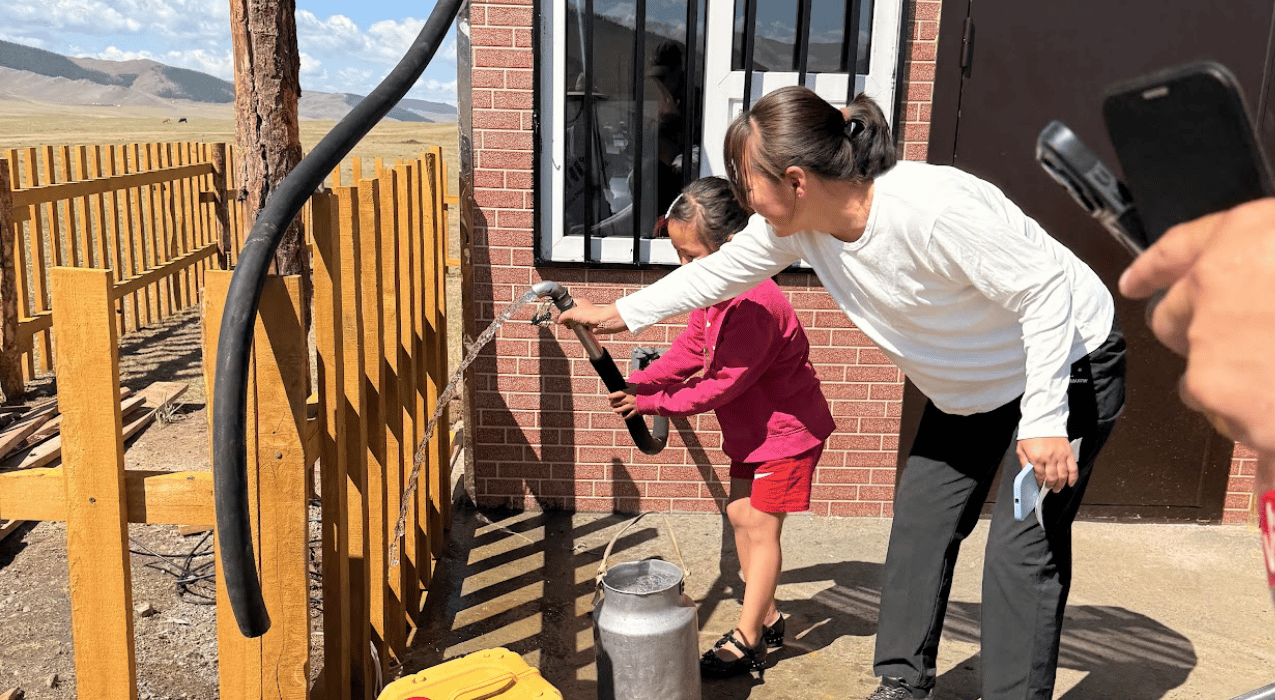
There is a moment on every Trek Relief expedition when the purpose of the entire journey becomes impossible to ignore.
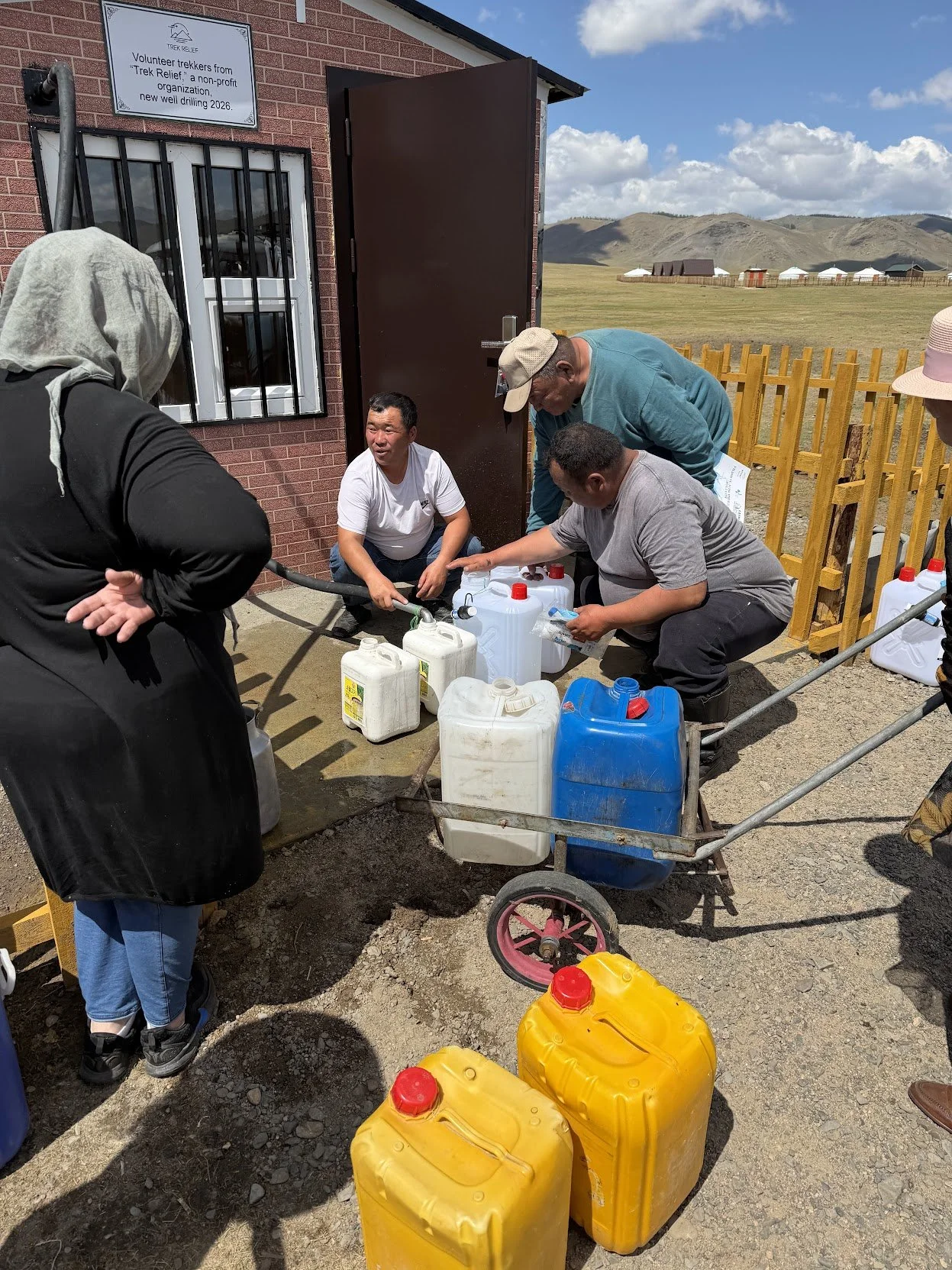
For the 2026 Mongolia team, that moment arrived silently. While visiting a well restored during the previous year's trip, a local woman pulled up to collect water, exactly as she had done dozens of times before. She didn't know the team was watching. She didn’t know that several people standing nearby had helped mix the concrete and set the foundation twelve months earlier.
She simply filled her containers with clean, reliable water and went on with her day.
Seeing direct, lasting impact operate seamlessly as part of a community's ordinary routine is what long-term commitment looks like. It is also why we keep coming back.
The Mission: A New Well for a Growing Community
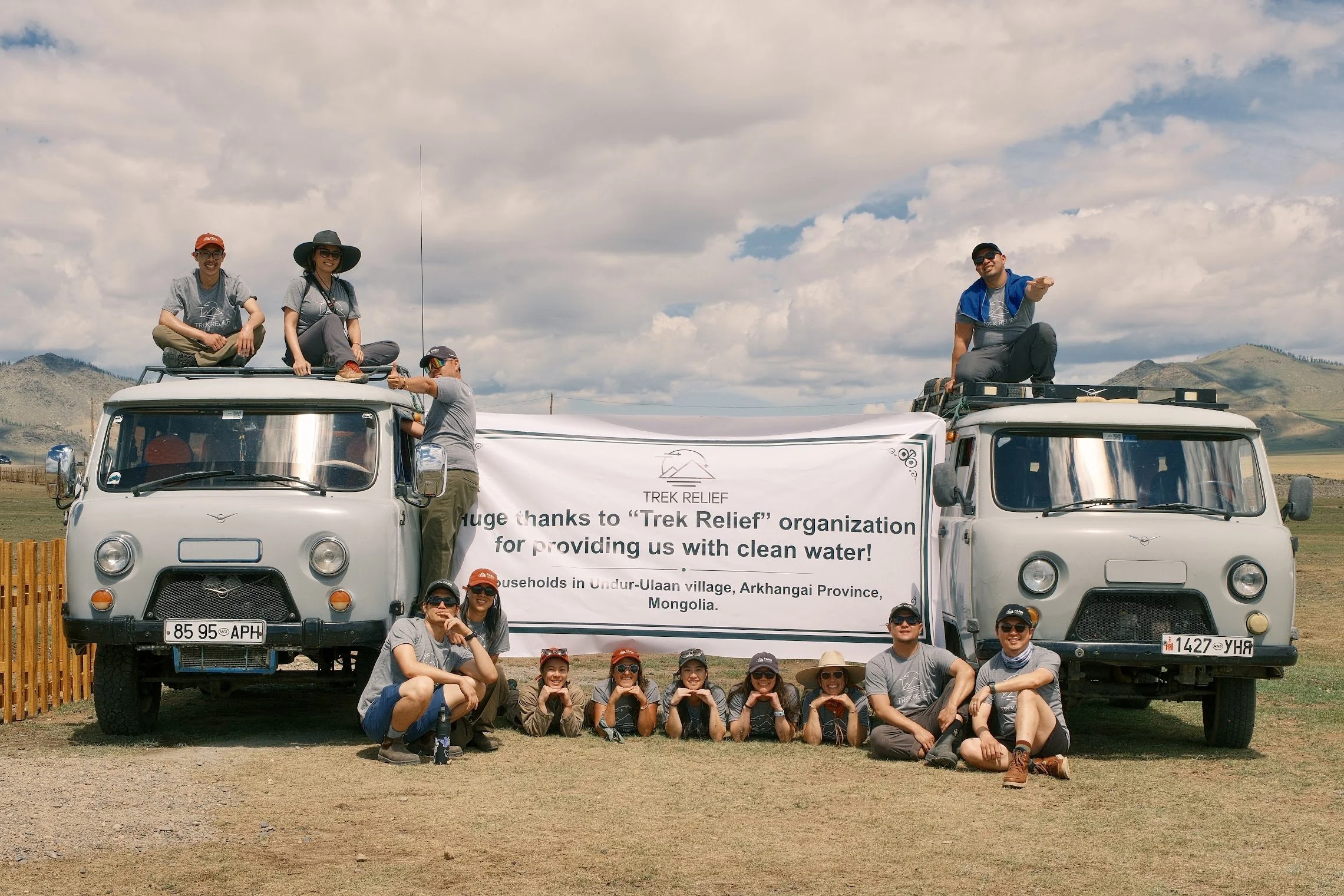
This July, the 2026 Mongolia team returned to Undur Ulaan in the Arkhangai Valley with a single objective: construct a brand-new community well for one of the region's fastest-growing rural neighborhoods.
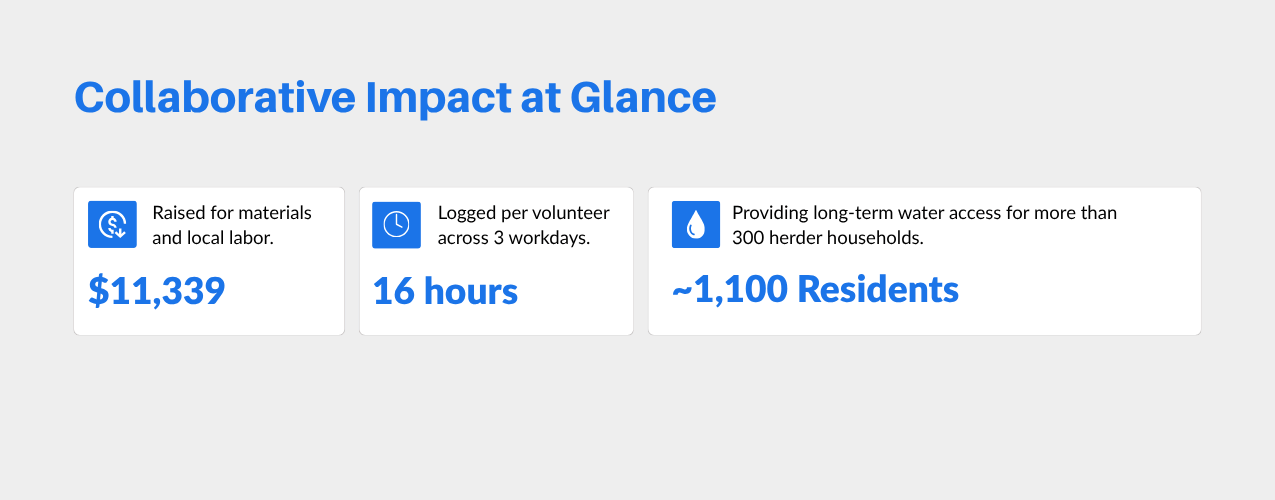
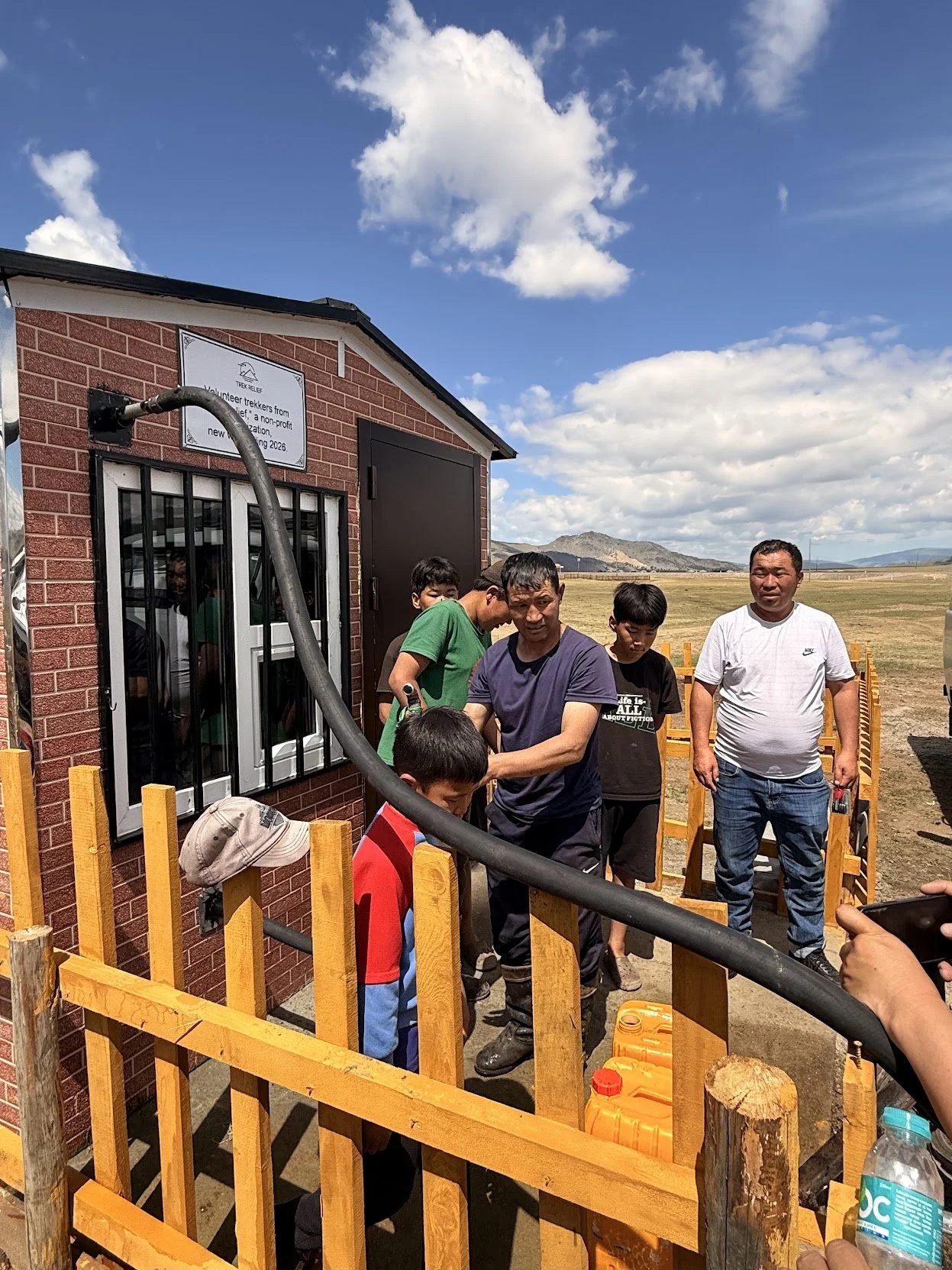
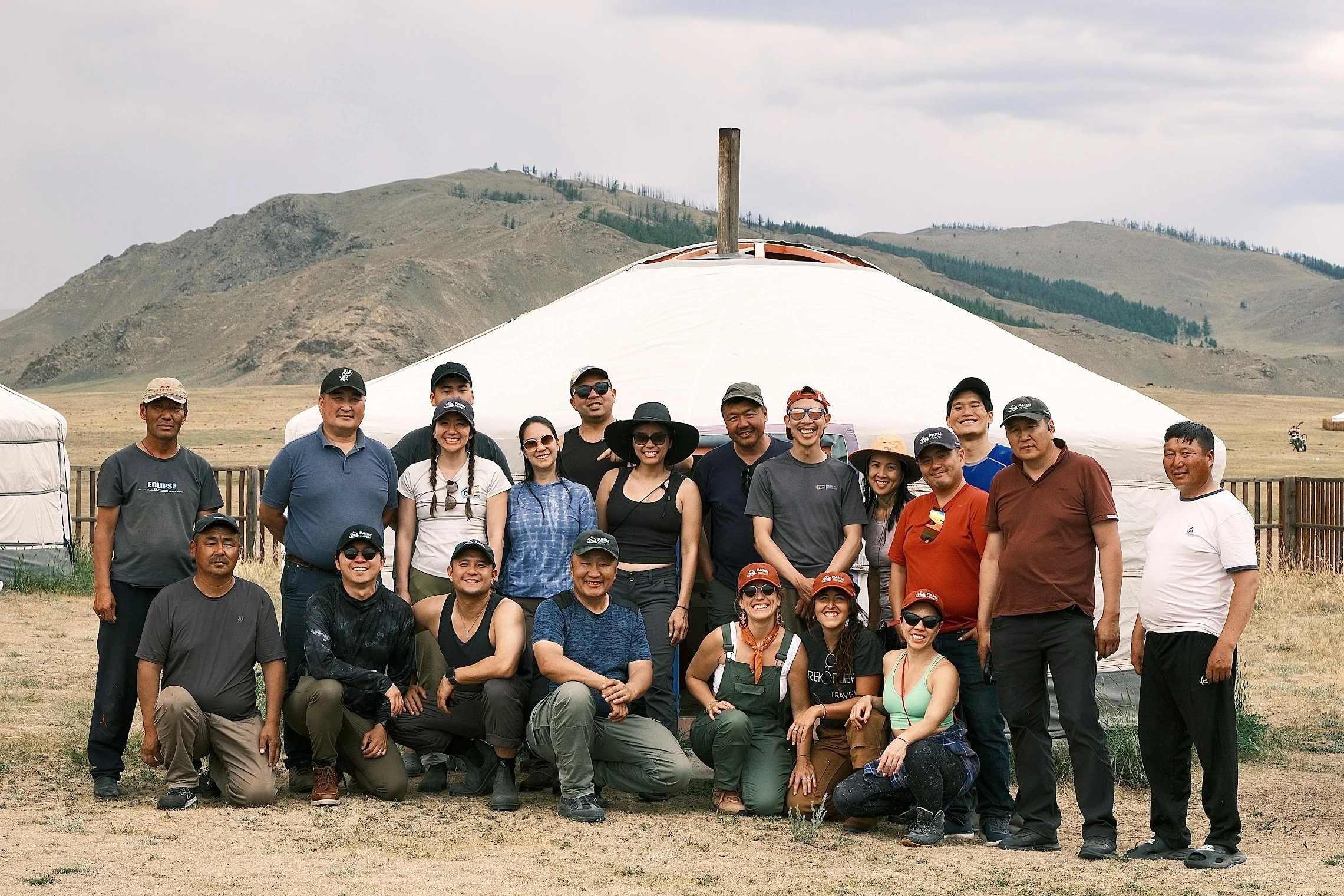
Working in direct partnership with local organization Family Agricultural Resources Mongolia (FARM NGO), our 12 volunteers raised $11,339 to fund the entire scope of infrastructure—from professional deep-well drilling and pump installation to 70 meters of electrical cabling, 65 meters of PVC piping, security fencing, and a heavy-duty water storage tank.
What the Collaboration Looked Like on the Ground
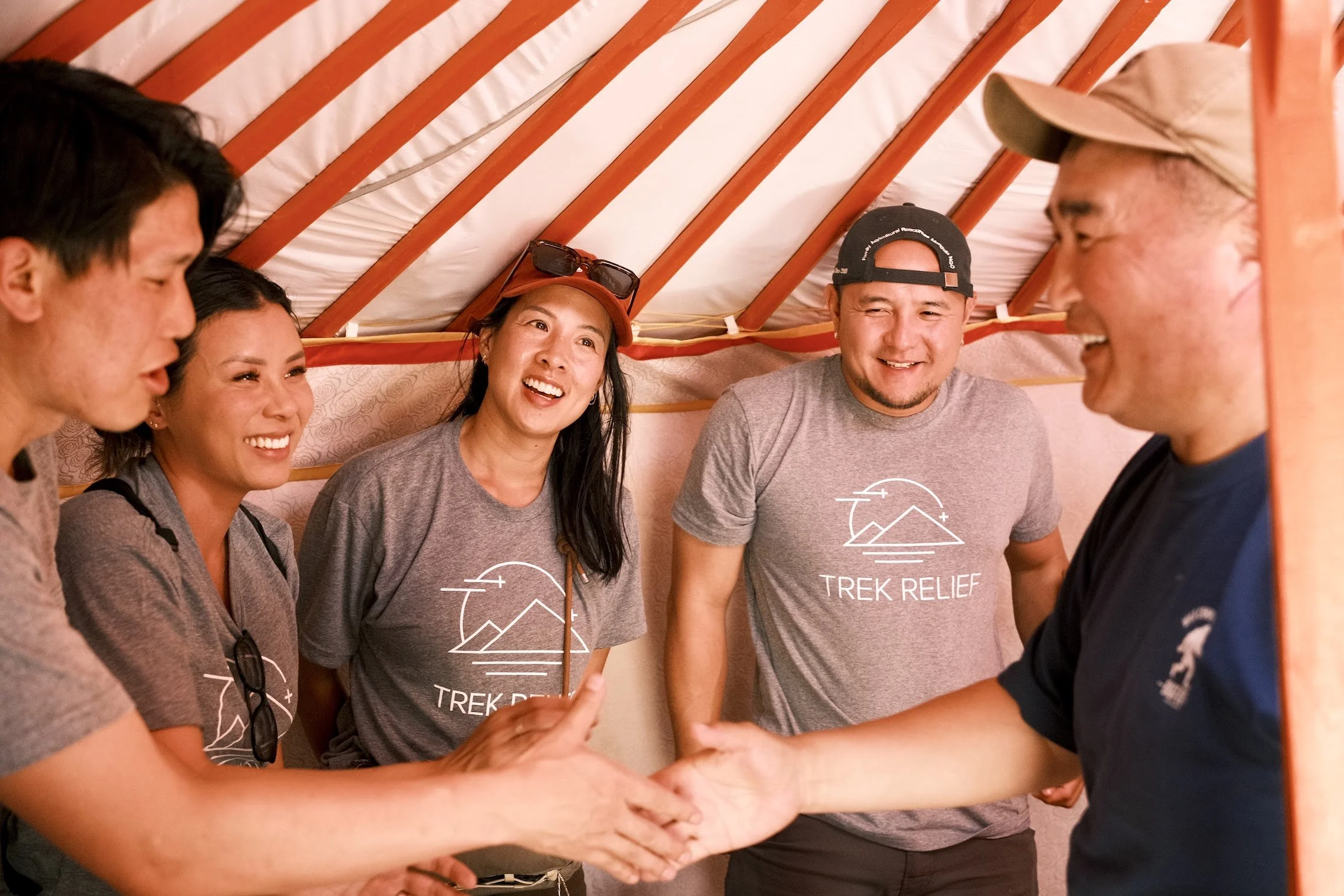
Before work began, FARM NGO facilitated site orientations and safety briefings. Together with local hosts, the team assisted in assembling a traditional Mongolian ger to serve as a shared workspace, offering volunteers an opportunity to learn traditional building practices directly from host community members.
While heavy drilling and technical electrical systems were executed entirely by licensed Mongolian professionals, volunteers stepped in to support the finishing tasks under the guidance of local foremen.
Over three project days, the team worked in support of local tradespeople to:
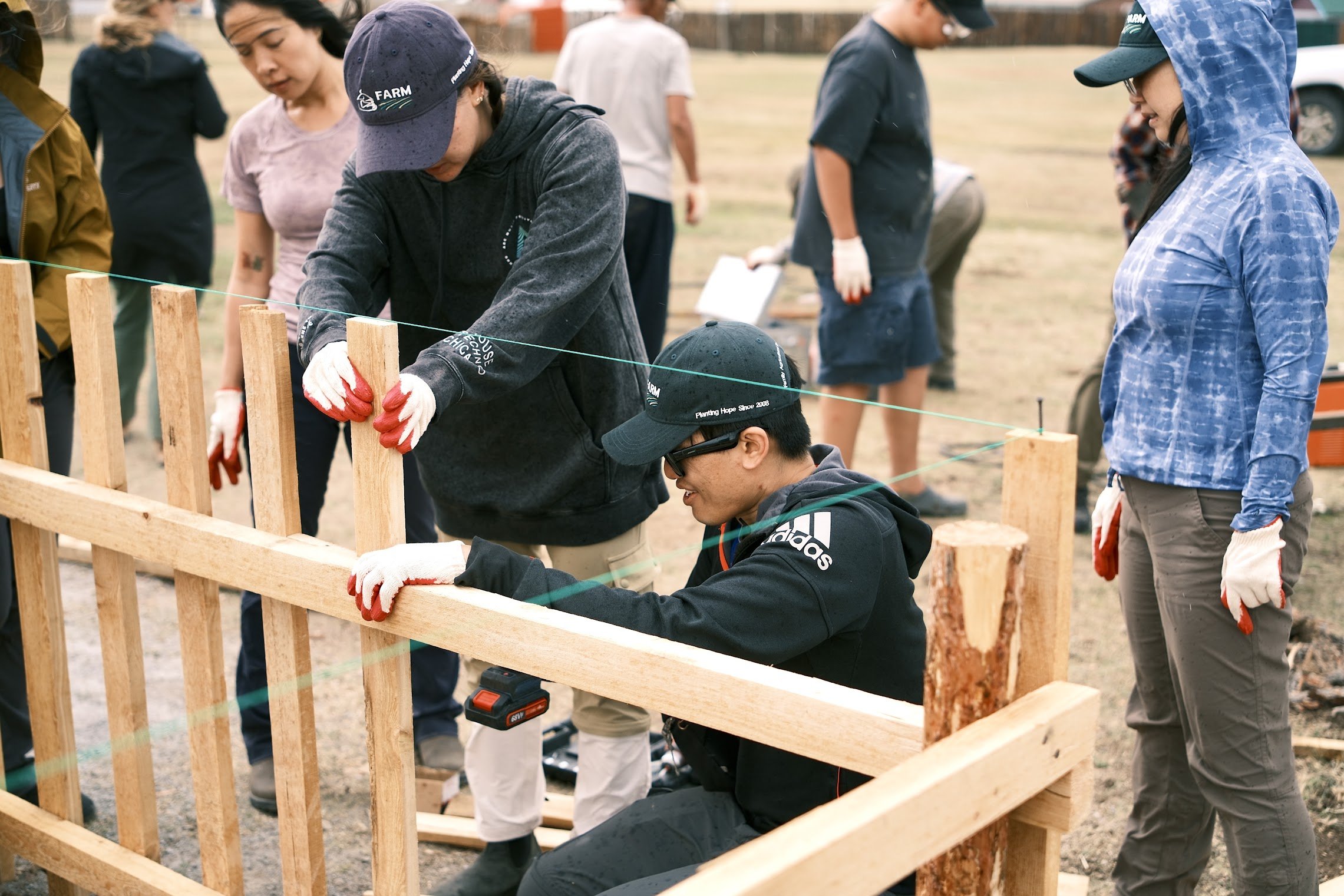
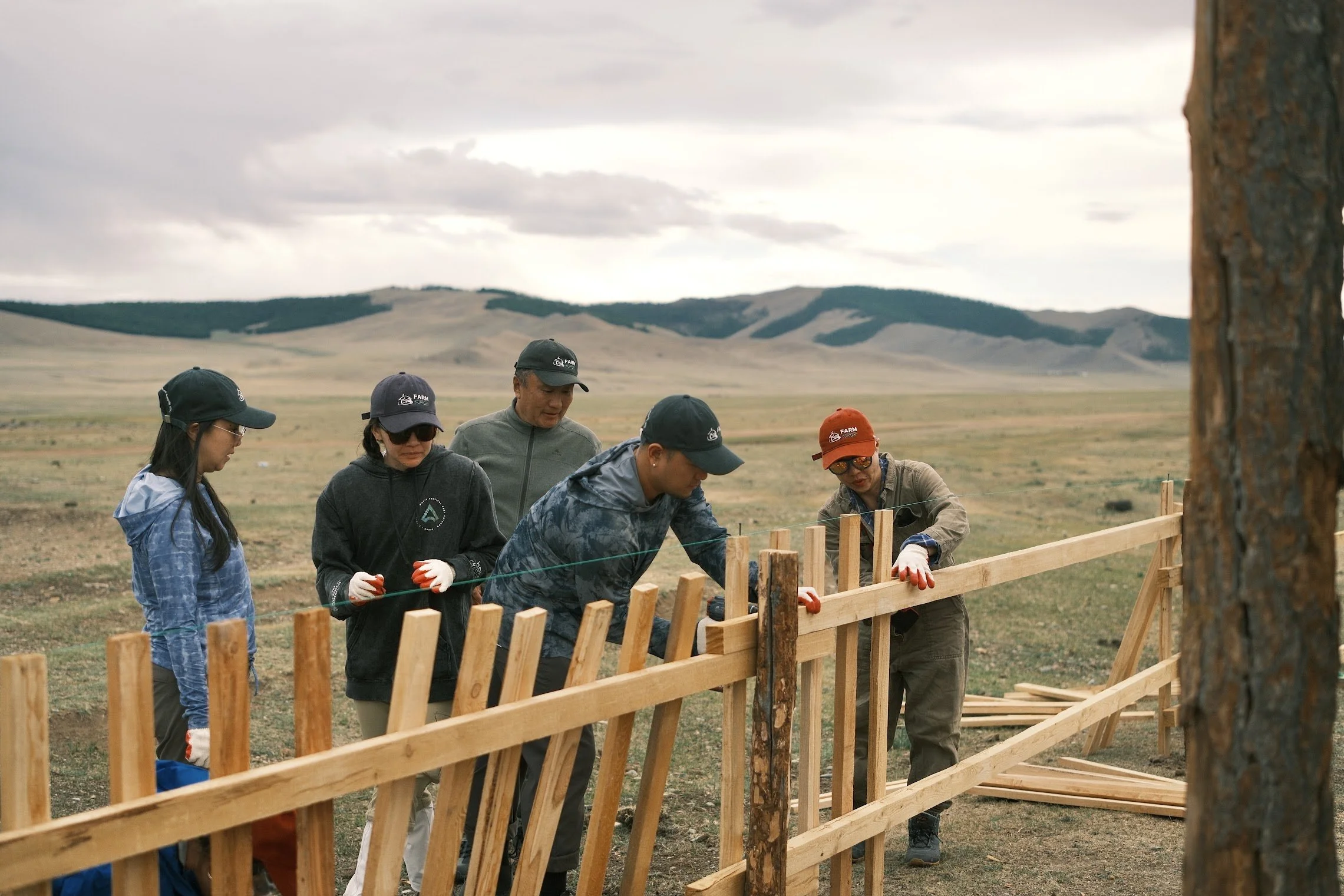
Assist Structural Finishing: Help pour concrete bases, complete protective housing, and support local welders on structural framing.
Site Protection: Assist in building and painting perimeter security fencing designed by community planners to safeguard the water supply.
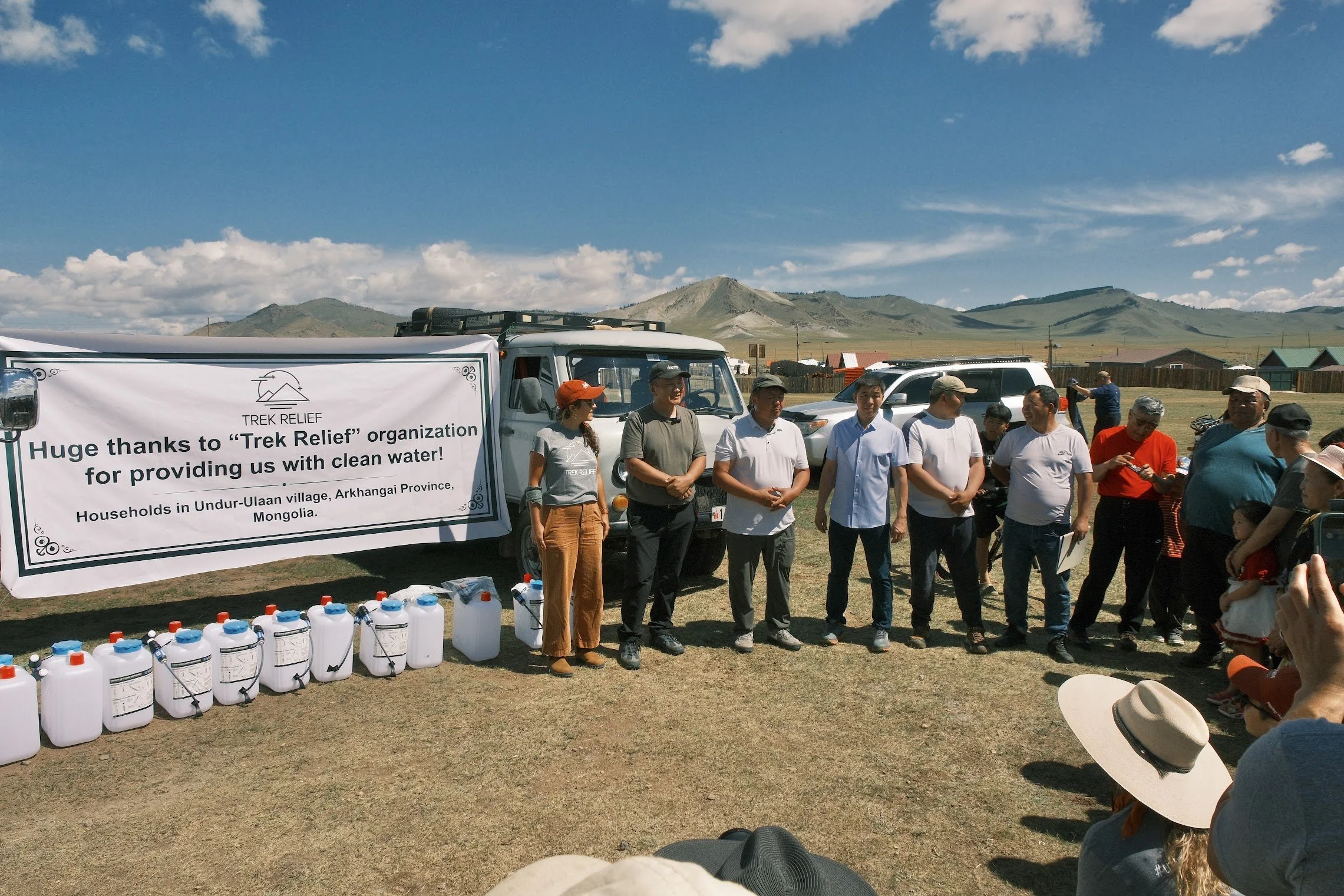
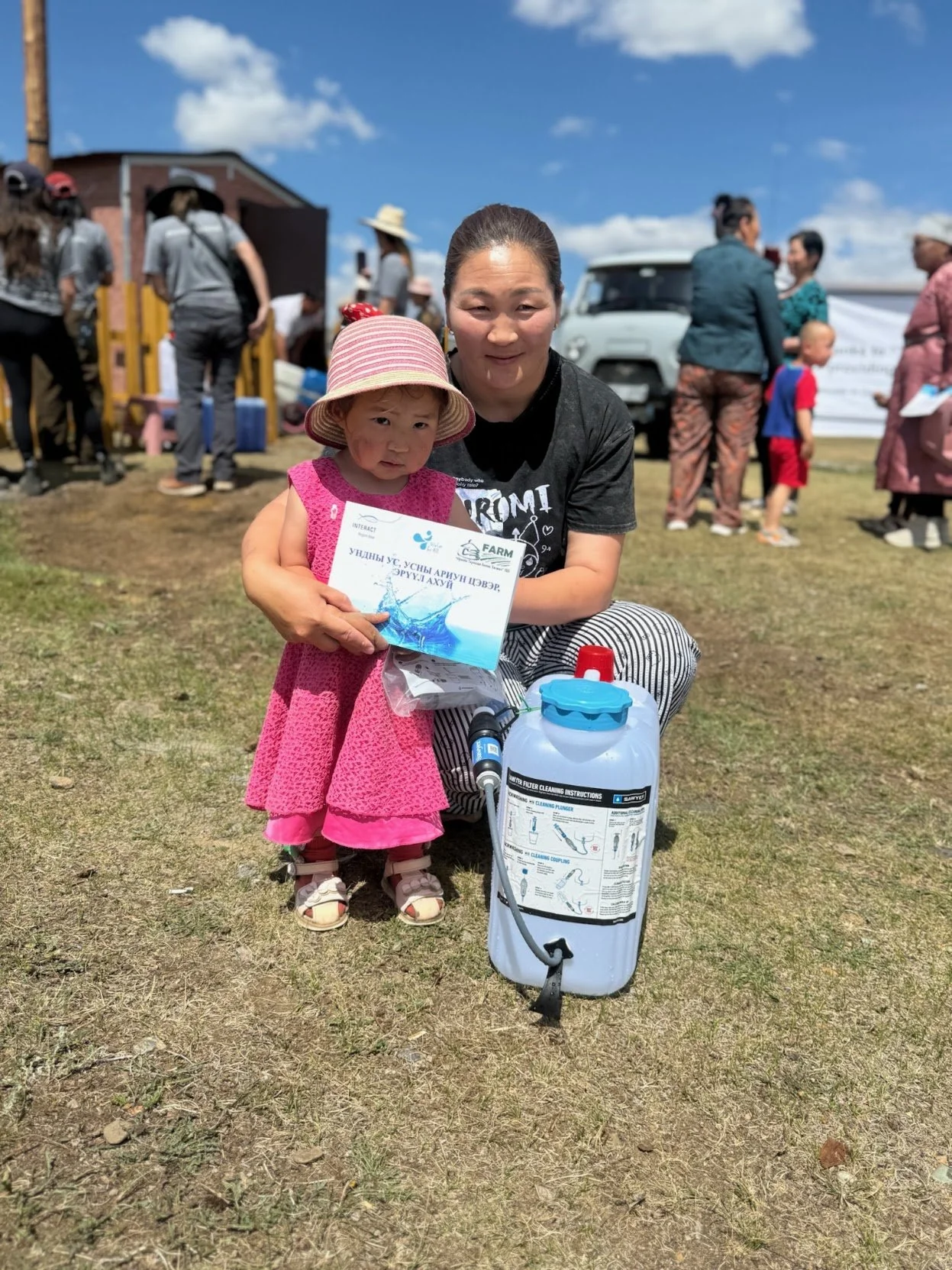
Support Community Health Programs: Assist FARM NGO staff in distributing 17 household water filters to families and observing community-led WASH (Water, Sanitation, and Hygiene) workshops.
Join Neighborhood Initiatives: Participate alongside 40 local residents in a community-organized cleanup on the final work day.
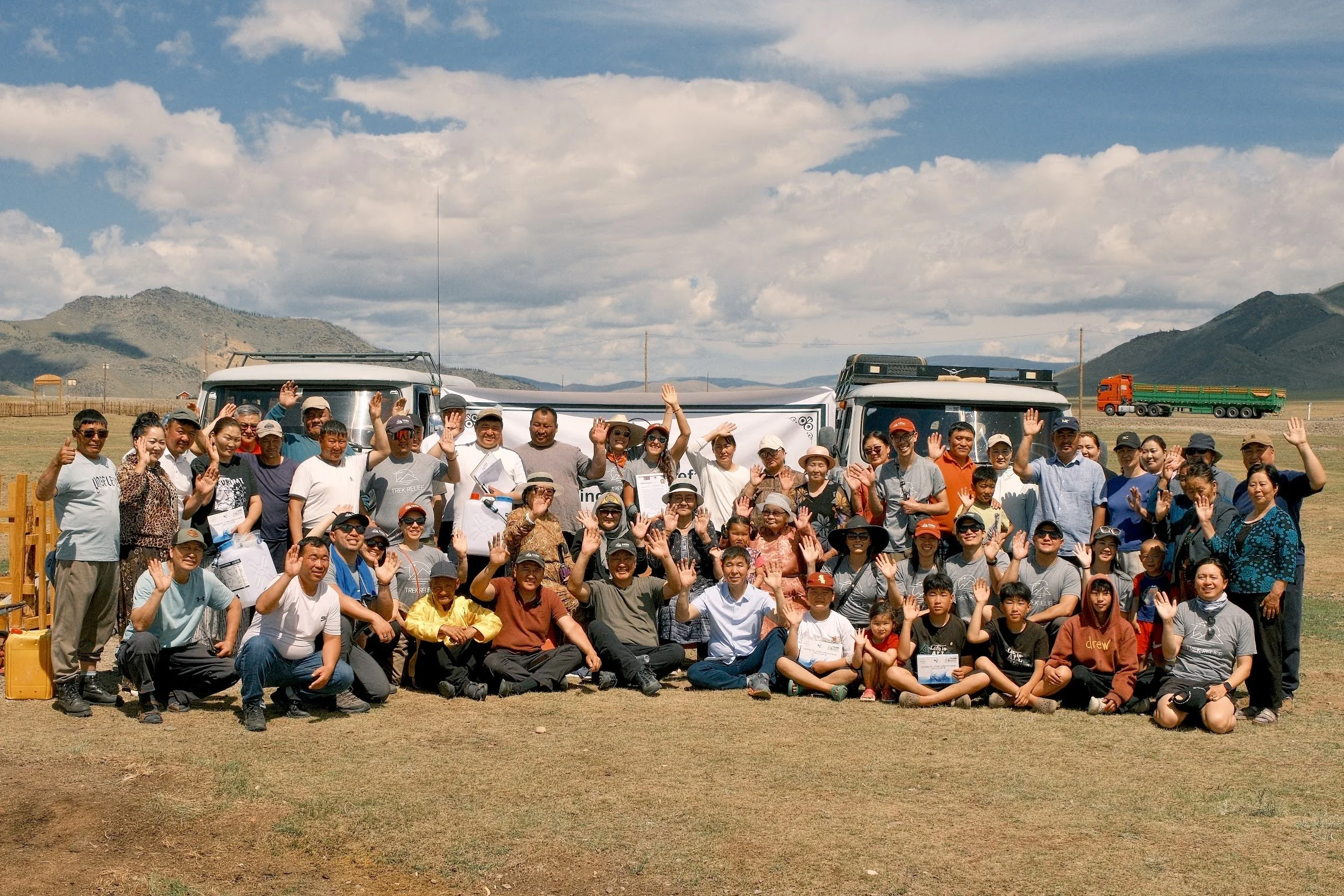
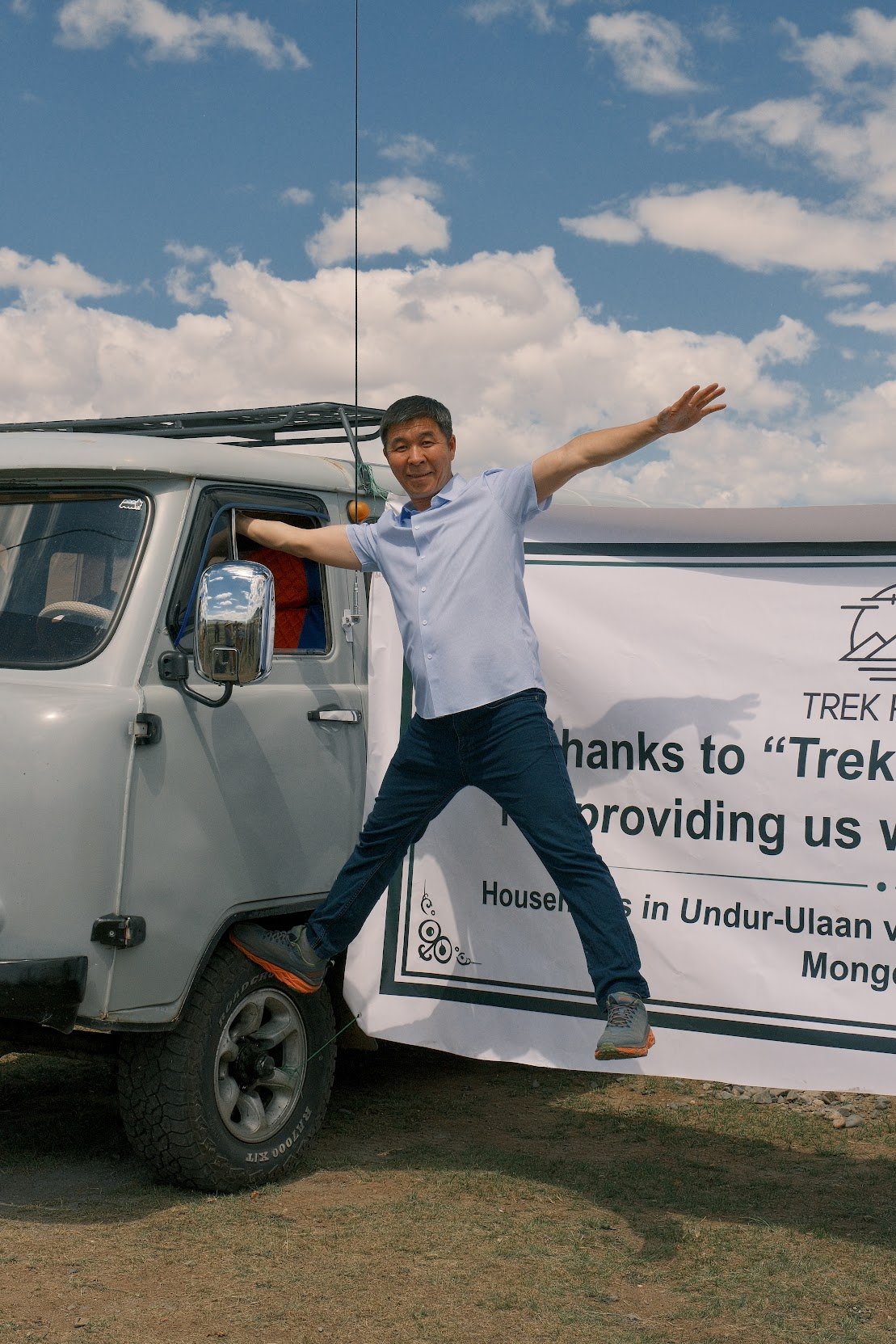
The project concluded with an official opening ceremony led by the Governor of Undur Ulaan and local elders, celebrating the dedication of the Mongolian teams who brought the project to life.
Resourcing Long-Term Community Priorities
Mongolia's pastoral communities are navigating complex economic and demographic shifts. As education and career opportunities centralize in Ulaanbaatar, rural areas face unique challenges in retaining young families and preserving nomadic herding traditions.
Decisions around rural development belong entirely to the people who live there. Local leaders in Undur Ulaan identified that expanding basic infrastructure reduces daily domestic burdens, making life in rural districts more viable for families who choose to stay.
As district officials emphasized during the ceremony, this well supports new residents, pastoral families, local markets, and public services. Trek Relief’s role is simply to align funding and volunteer solidarity with the vision already established by local leadership.
Cultural Exchange and Immersion on the Steppe
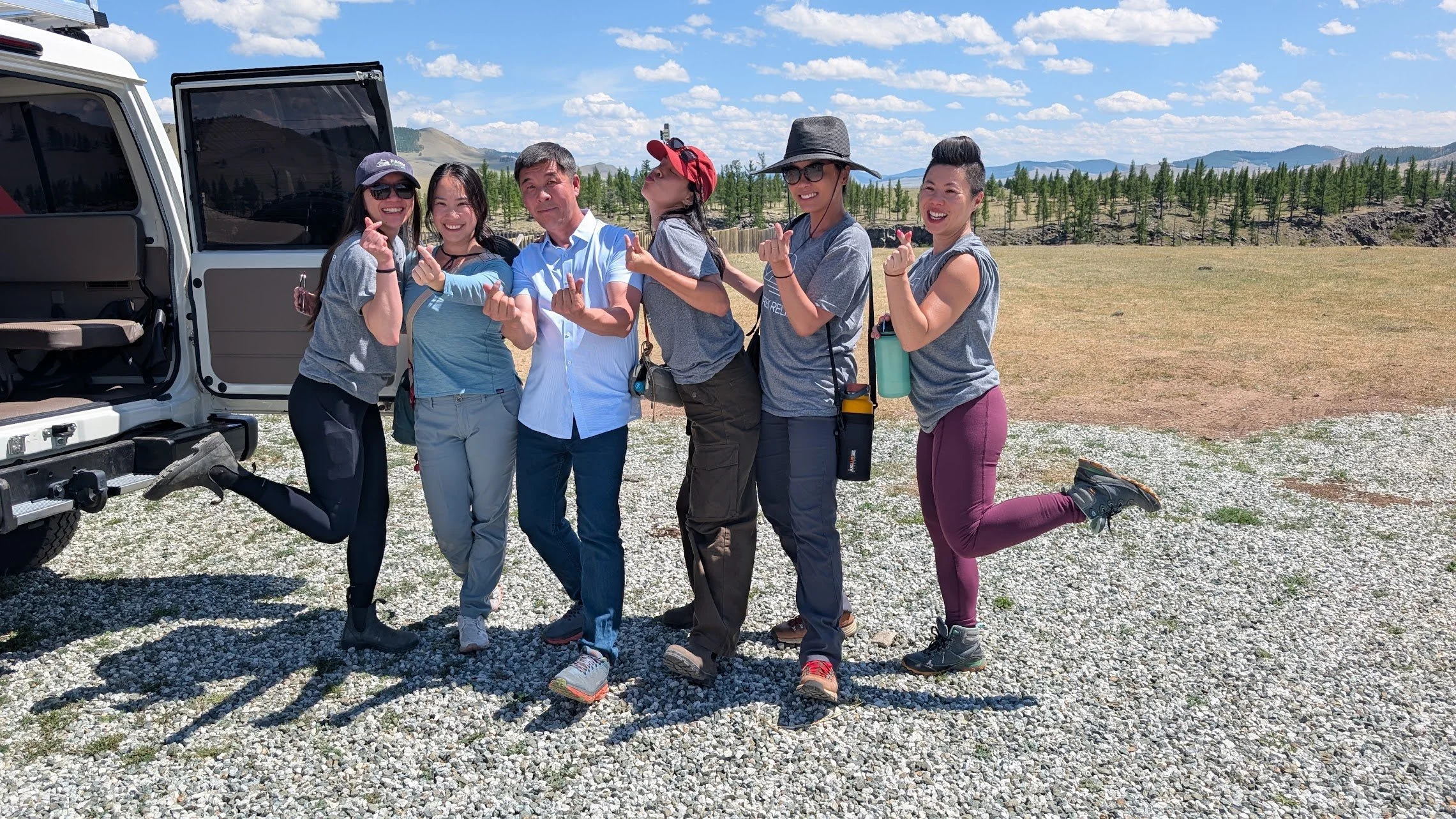
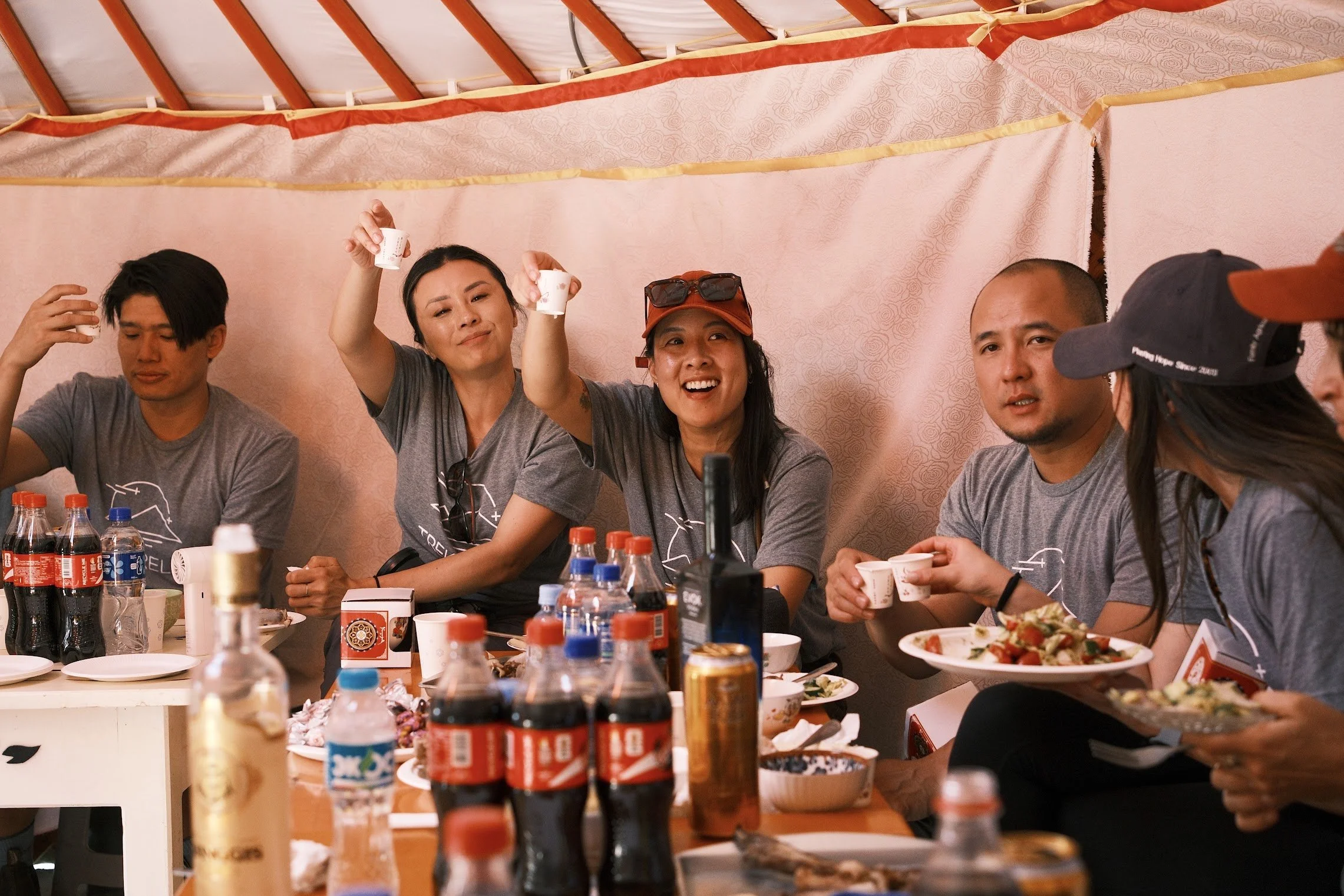
A core pillar of Trek Relief is approaching host cultures with humility, curiosity, and respect.
Community Invitations: At the invitation of the local Governor, our group attended the local Naadam Festival, learning about traditional Mongolian wrestling, archery, and horse racing directly from community participants.
Learning from the Land: Led by local horse master Ganaa and his team, participants horse-trekked across the Arkhangai steppe, gaining insight into traditional land stewardship.
Honoring Local Food Traditions: Participating in a traditional sheep butchering demonstration provided an educational window into Mongolian self-sufficiency, resourcefulness, and livestock heritage.
This depth of cultural immersion was made possible by Eenee, our Mongolian translator and guide, whose deep regional knowledge and community relationships ensured conversations were rooted in mutual respect. Alongside Murray and Elizabeth of Fairfield Mongolia, these local experts remain the true foundation of the Mongolia program.
“Their leadership, cultural stewardship, and deep roots in Arkhangai Province ensure our teams learn far more than they could ever impart.”
Looking Forward to 2027
The well is operational, managed by local operators, and providing water to the district.
In the coming weeks, Trek Relief leadership will meet with FARM NGO to listen to their upcoming priorities for 2027. Future initiatives will continue to be driven entirely by what local partners determine is most beneficial for their communities.
Real impact is not about showing up as a hero; it is about showing up as a reliable partner, honoring local expertise, and returning year after year in solidarity.
