
Nepal’s Budhi Gandaki Flash Flood | October 11, 2026
On the morning of October 11, 2026, a catastrophic flash flood and high-velocity debris flow swept through the Budhi Gandaki River corridor in Nepal’s northern Gorkha District. Triggered by an upstream mountain landslide that dammed a river tributary before breaching, the resulting wave inundating riverside settlements, destroying vital transport links, and cutting off remote alpine communities.
As search and rescue operations continue, over 650 residents have been directly impacted, at least 204 homes have been damaged or destroyed, and critical energy and road infrastructure across Chumnubri, Dharche, and Aarughat rural municipalities remain severely compromised.
Disaster Timeline & Scientific Trigger Mechanism
04:22 Local Time (Oct 11): Seismic monitoring recorded a massive, highly dynamic slope collapse—suspected to be a rock avalanche—near Chumchet in upper Gorkha.
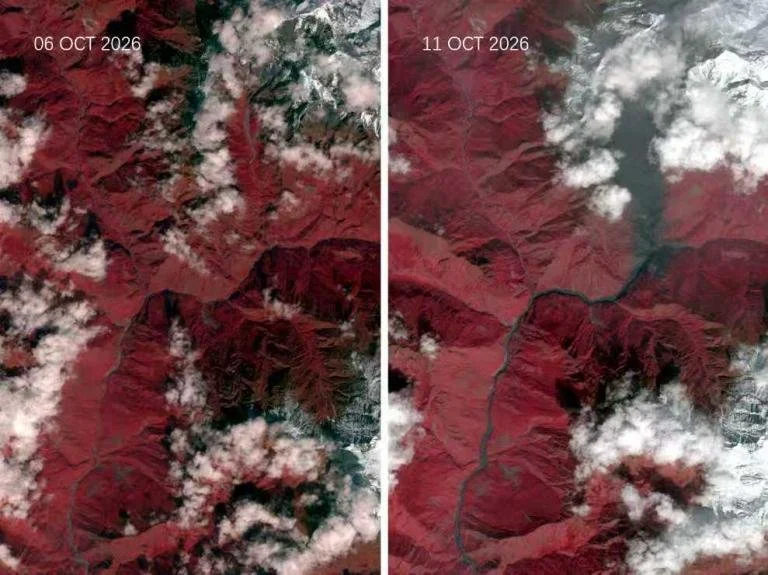
Pre-Breach Blockage: The landslide temporarily dammed the Syar River, a key tributary feeding into the Budhi Gandaki River basin.
06:00 Local Time (Oct 11): The impounded water breached the unstable landslide dam, releasing a sudden, heavy wave of water, sediment, and boulders down the valley.
Downstream Surge: The flood surge moved down the Budhi Gandaki corridor toward the Trishuli River system, prompting emergency alerts across downstream districts, including Dhading, Chitwan, and Nawalparasi.
Human Toll, Displacement & Disruption
The sudden surge hit riverside hamlets without warning. Within minutes, 35 to 40 houses across Jagat Bagar, Salleri, and Ghattikhola were swept away. Across Chumnubri Rural Municipality, over 200 structures sustained damage, directly impacting more than 650 residents.
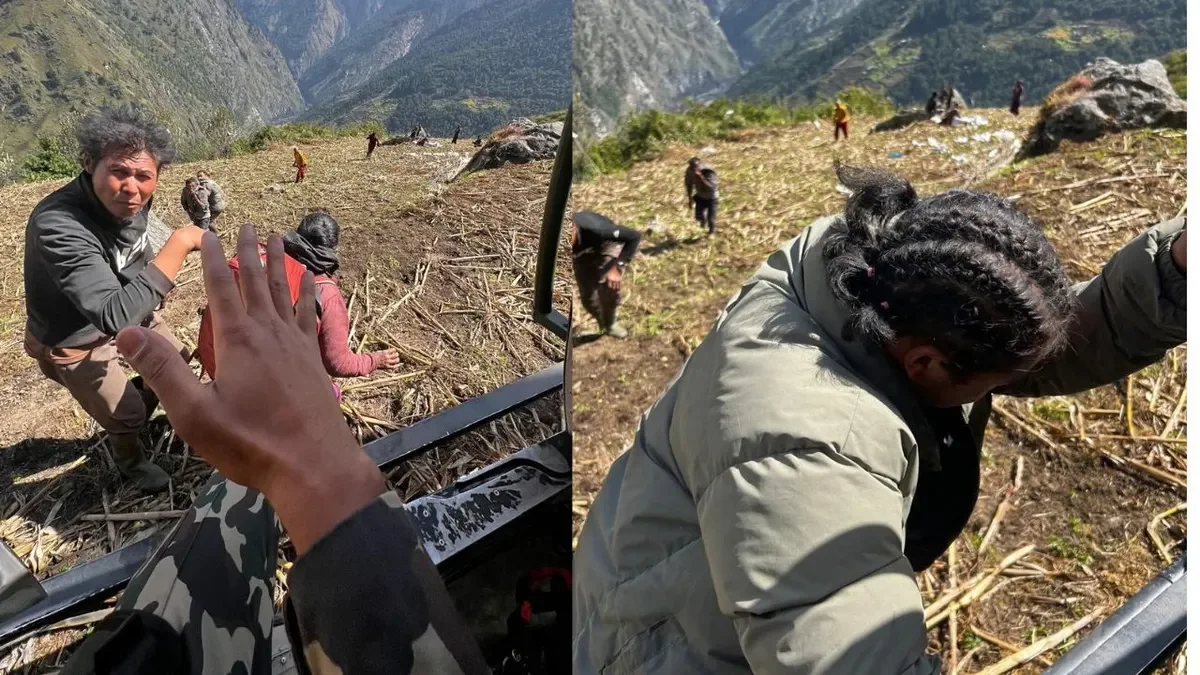
Five local herders were reported missing in the upper torrent area. While Nepali Army helicopters and ground security forces managed to rescue 95 people—including nine stranded foreign trekkers—hundreds of local villagers were forced to flee 500 meters uphill in the dark. Families spent the night huddled in mountain forests, terrified to return as the river surged repeatedly below them.
Severed Transportation Corridors: The flood swept away multiple critical footbridges and motorable bridges, including suspension spans connecting Nyakchet to Sirdibas, Machhakhola to Kerauja, and Nyakchet to Philim Bazar.
Destroyed Bridge Spans: Motorable iron bridges at Soti (Aarughat Wards 2 & 3) and Aarughat (linking Gorkha and Dhading districts) were completely destroyed.
Complete Territorial Isolation: With all primary overland roads and pedestrian bridges washed out, the entire Chumnubri Rural Municipality is isolated from the rest of Nepal, relying entirely on helicopter transport for emergency supplies and medical airlifts.
Energy Sector Damage: Floodwaters inundated and destroyed the main construction camp and heavy equipment at the site of the planned 341-megawatt Budhi Gandaki Hydropower Project in Salleri.
Emergency Response & Rescue Operations
Military Deployment: Nepal Security Forces deployed over 700 ground personnel to lead search, clear debris, and assist displaced populations.
Air Evacuation Fleet: The Nepali Army mobilized four helicopters—including a heavy-lift MI-17—to conduct aerial reconnaissance and airlift stranded survivors from high-risk zones like Jagat, Yaru, Thulodhunga, and Nyakphedi.
Resource Logistics: Authorities are establishing temporary supply lines from Kathmandu while engineers evaluate secondary access routes into lower Gorkha.
Early Warning System Deficiencies
The disaster highlighted ongoing operational gaps in official emergency broadcast networks across remote Himalayan catchments:
Informal Community Alerts: Upstream residents recognized the sudden drop and rise in river levels around 04:45 AM and initiated informal phone chains to warn downstream settlements.
Government Notification Delays: Official emergency SMS warnings from national authorities reached residents in higher elevation zones nearly two hours after the flood began, while notifications to lower valley communities were delayed by up to five hours.
Survival Impact: Most residents had already evacuated to elevated forests over an hour before official government warnings arrived on their mobile phones.
Cascading Hazards & Climate Context
This flood represents the third major environmental catastrophe to strike Nepal's mountain corridors during the autumn 2026 post-monsoon cycle:
August 26, 2026: A glacial collapse near Langtang Lirung triggered a high-altitude debris flow down the Bhote Koshi River basin, destroying international trade infrastructure at Rasuwagadhi.
Late September 2026: Late-monsoon downpours produced widespread landslides across central Nepal, killing over 200 people and weakening mountain slopes.
October 11, 2026: Landslide damming along the Budhi Gandaki River released a rapid surge through waterlogged catchments.
Scientists from the International Centre for Integrated Mountain Development (ICIMOD) note that prolonged post-monsoon climate windows, combined with unstable, saturated slopes, are increasing the frequency of cascading hazards where one slope failure rapidly triggers downstream inundation.
Standing with Nepal’s Mountain Communities
When disaster strikes isolated mountain valleys, official relief and government infrastructure repairs can take weeks or months to arrive. Right now, displaced families in temporary shelters need direct access to food, warm clothing, and clean water.
Still, Trek Relief will deploy directly to Kathmandu to hand-deliver $10,000+ in emergency cash aid to displaced families from Syabrubesi and surrounding mountain communities. Direct cash support gives families immediate purchasing power to secure shelter and essentials without administrative delays.
To meet the escalating recovery needs across Syabrubesi and flood-impacted regions ahead of Giving Tuesday (December 1st), we have expanded our emergency campaign goal to $40,000. 100% of direct donations go straight into the hands of local families rebuilding their lives.
→ Support Trek Relief’s $40k Syabrubesi & Nepal Flood Relief Campaign
